 Visualizer


Granite is a highly popular building material known for its beauty and durability. However, when it comes to installing granite, one essential aspect shouldn't be overlooked: granite grouting. Many people wonder whether granite needs to be grouted or if it can be installed without gaps for a more seamless appearance. To answer this question, let's take a closer look.
What is Granite Grouting?
Granite grouting refers to the small gap or space between two adjacent granite slabs. This gap is then filled with a special material called grout, which is a mixture of fillers such as cement, fine sand, and other additives. Grout is both a binder and a protective layer between the granite slabs, helping stabilize the installation and increase its longevity.
During granite installation, the gap size typically varies based on the specific needs and type of granite used. For granites with uneven natural patterns, grouting can help conceal size discrepancies between slabs.
Main Functions of Granite Grouting
Grouting granite serves not just an aesthetic purpose but also has several important functions, including:
1. Maintaining the Stability of Granite Floors or Walls
Granite grouting helps maintain the stability between adjacent granite slabs. The slabs may shift without grout due to temperature changes, pressure, or vibrations. Grout is a flexible cushion, allowing the granite to move slightly without cracking.
2. Concealing Size and Shape Discrepancies
Although granite is usually cut with precision, small differences in size and shape can occur. Grouting helps to hide these imperfections, making the granite installation appear tidier and more uniform.
3. Preventing Dirt from Entering the Gaps Between Granite Slabs
Without grout, the spaces between granite slabs can become a place for accumulating dirt, dust, or liquids. This can lead to difficult cleaning stains and even promote mold or mildew growth, especially in wet areas like bathrooms or kitchens.
4. Enhancing Granite's Durability
Grout serves as a filler that protects the edges of the granite from damage. Granite installed without grout is more susceptible to cracks or damage from direct pressure on the edges.
5. Enhancing Aesthetic Appeal
With neat grout lines and the right color, granite floors or walls can look more aesthetically pleasing. You can even choose a contrasting grout color to create a striking visual effect or a matching color for a seamless look.
Does Granite Need to Be Grouted?
Whether granite needs to be grouted often arises, especially from those seeking a seamless or gap-free appearance. The answer depends on several factors:
1. Type of Installation
Grouting is highly recommended when granite is installed as flooring or wall covering. Granite tends to expand and contract due to temperature changes, and without grout, the slabs could crack or shift.
However, granite can be installed without grout for specific installations like kitchen countertops if the slabs are large enough to cover the area.
2. Installation Location
Grouting is essential in wet areas like bathrooms or kitchens to prevent water from seeping into the gaps between granite slabs. Water penetrating these gaps can damage the granite or the surface beneath it.
3. Granite Size and Thickness
Larger and thicker granite slabs are typically more stable and can be installed with minimal grout. However, smaller granite pieces require grout to ensure their durability and security.
4. Aesthetic Preferences
If you prefer a seamless look, you can use very thin grout lines in a color that matches the granite. However, eliminating grout is generally not recommended for stability and ease of maintenance.
Tips for Choosing the Right Granite Grout
After understanding the importance of grouting granite, here are some tips for selecting and using the right granite grout:
1. Choose the Right Color
The grout color can impact the overall appearance of the granite. For a seamless look, select a grout color that matches the granite. On the other hand, choose a grout color that stands out for a contrasting effect.
2. Use High-Quality Grout
Make sure to use grout that is specifically designed for granite. High-quality grout generally offers better durability against stains, water, and cracking.
3. Consider the Grout Gap Size
The standard grout gap is typically between 1-3 mm, but you can adjust it to suit your aesthetic preferences and stability needs. Too small gaps may make it difficult to fill the grout evenly.
4. Pay Attention to Grout Maintenance
Granite grout requires regular maintenance to keep it clean and durable. Clean the grout periodically to prevent dirt and stains from building up. You can also use a sealant to protect the grout from moisture and stains.
Advantages of Installing Granite with Grout
Installing granite with grout offers numerous benefits compared to grout-free installation. Here are some of the main advantages:
- Increased Safety
Grout prevents granite slabs from shifting, making the floor or wall safer. - Durability
Granite is more resistant to cracking caused by pressure or temperature changes with grout. - Neat Aesthetics
Grout gives a clean, finished look, enhancing the overall appearance of the granite installation. - Easier Maintenance
Grouted gaps are easier to clean and less likely to collect dirt.
Granite grouting is crucial in the installation process, whether for flooring or walls. In addition to maintaining stability and durability, grout provides extra protection against damage and contributes to a more polished look.
So, is grout necessary for granite? The answer is yes, especially if you want long-lasting, low-maintenance granite. While there are some specific situations where grout can be minimized or omitted, grout is still the best choice to ensure optimal installation results.
Plan Your Granite Tiles and Grout Joints Before Installation
Determining the appropriate granite tile grout joints should be done alongside selecting tile sizes and installation patterns, rather than after purchasing all the tiles.
Start by exploring the MELIUZ Granite collection to choose the right sizes, patterns, colors, and surface finishes.
If you want to preview how different patterns will look in your interior before making a decision, use the MELIUZ Visualizer.
Once you have determined the tile size and installation area, use the MELIUZ Tile Calculator to estimate the number of granite tiles required. Be sure to consider the installation pattern and potential tile-cutting requirements before making a purchase.
Next, use the MELIUZ Store Locator to find a nearby retailer and confirm product availability before visiting.
By planning the grout joint width, granite tile spacing, grout color, installation pattern, and material quantities from the beginning, the installation process can be more organized, resulting in a more harmonious finish.
FAQ
What Are Granite Tile Grout Joints?
Granite tile grout joints are the gaps or spaces between individual granite tiles. After installation, these gaps are typically filled with grout material.
Do Granite Tiles Need Grout Joints?
Generally, granite tiles require properly planned joints based on product specifications, substrate conditions, grout requirements, and installation methods. Avoid installing tiles directly against one another simply to achieve a seamless appearance.
What Is the Ideal Grout Joint Width for Granite Tiles?
There is no single measurement suitable for every product. Existing MELIUZ articles mention approximately 1–3 mm as a general guideline. However, the final joint width should be adjusted according to tile specifications, grout requirements, substrate conditions, and installation recommendations.
What Is the Difference Between Grout Joint Size and Granite Tile Spacing?
In tile installation, both terms generally refer to the width of the gap between individual tiles. The spacing should remain consistent to achieve a neat and uniform installation.
Can Granite Tiles Be Installed Without Grout Joints?
The term "groutless installation" often refers to installations with very narrow joints. Avoid placing tiles directly against one another without considering product tolerances and installation system requirements.
How Do You Choose the Right Grout Color for Granite Tiles?
Choose a grout color that closely matches the base color of the granite tiles if you want a more seamless appearance. Use a contrasting color if you prefer to highlight the grout lines or installation pattern.
What Grout Colors Work Best with White Granite Tiles?
White, off-white, and light grey are suitable options. The final choice depends on whether you prefer a seamless appearance or more visible grout lines.
Do Large-Format Granite Tiles Require Grout Joints?
Yes. Larger tile dimensions do not automatically mean they can be installed without joints. Grout joint width should still be determined based on product characteristics, grout specifications, and installation conditions.
Do Grout Joints Help Accommodate Floor Expansion?
Regular grout joints are not a substitute for movement joints. Structural movement or dimensional changes across large floor areas should be accommodated through an appropriate movement joint or perimeter joint system.
How Do You Calculate Granite Tile Requirements Before Installation?
After selecting the tile size, measure the length and width of the installation area, then use the MELIUZ Tile Calculator to estimate the quantity of materials required.
Product Popular
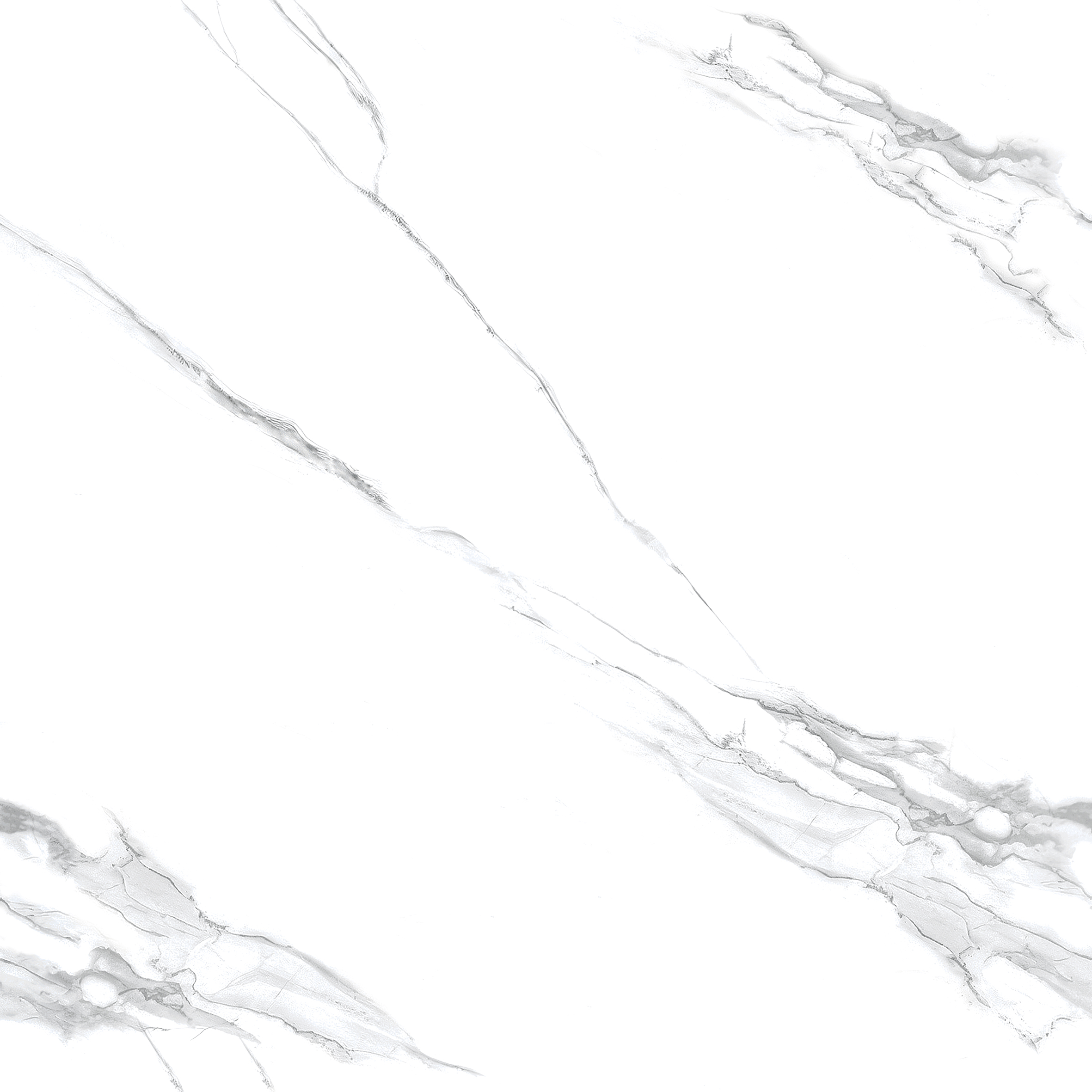
LAVANYA WHITE
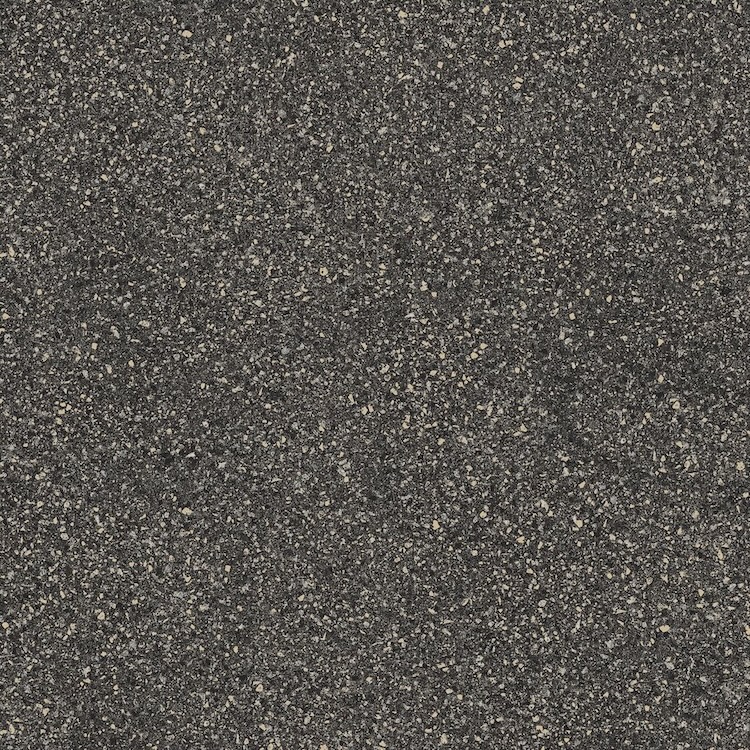
Matt Vesuvio Charcoal

MATTEO GRIS