 Visualizer

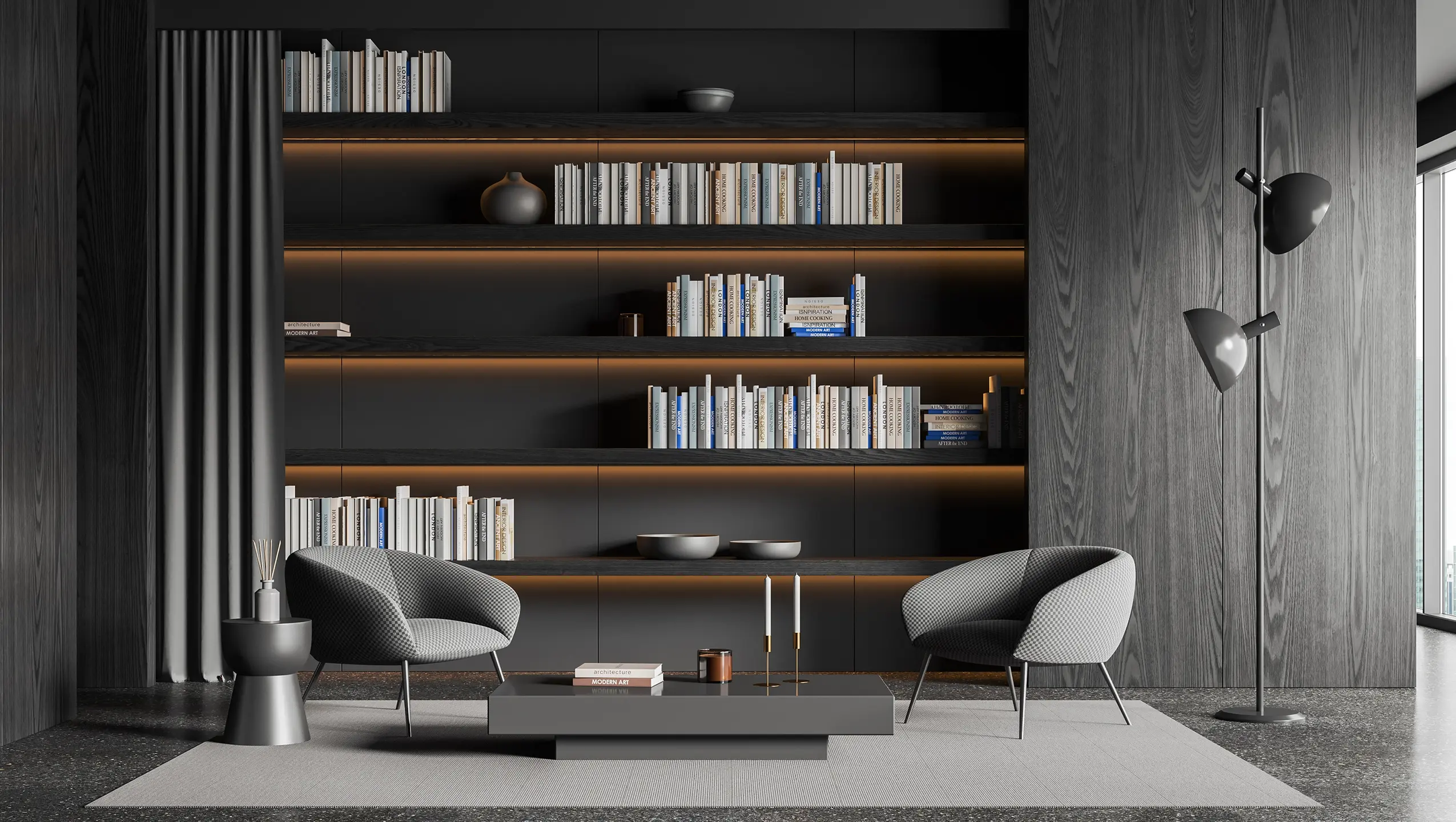
Creating a mini library at home requires careful planning to ensure the space is not only functional but also possesses aesthetic qualities that support reading comfort.
From determining zones and selecting furniture to arranging lighting, everything needs to be well-planned to enhance the experience you feel when using the room. To help you design a reading space that is organized and comfortable, please continue reading this article.
Tips for Designing a Mini Home Library
1. Determine the Reading Zone
Transforming a home area into a mini library begins with determining a specific and consistent zone. This action functions to create a psychological and physical boundary separating the reading space from other household activities. Utilizing one full wall can consolidate the book collection into a single focal point.
Installing a high shelving system that utilizes vertical space up to the ceiling not only optimizes storage capacity but also forms a dramatic and monumental visual impression. This clearly defined zone becomes a visual reminder of the importance of reading.
2. Prepare an Ergonomic Reading Area
Comfort during long reading sessions is highly influenced by seating design that prioritizes ergonomic principles and body posture support. The selection of furniture, such as an armchair with a good backrest, needs to be complemented by the right supporting elements so the reading area functions optimally within the mini home library.
Upholstery materials should ideally have comfortable textures and neutral solid colors—such as cream, soft gray, or oatmeal—to create a calm atmosphere without distracting focus from reading, while allowing the area to function as a multipurpose space.
3. Make Shelving a Design Element
Bookshelves can be elevated from mere storage units to major design elements that determine the room's character. Creative design approaches, such as designing asymmetrical geometric shelves, arranging modules in specific patterns, or building custom shelves that follow the room's contours, can significantly increase aesthetic value.
Selecting materials like oak wood for a warm impression, powder-coated metal for an industrial touch, or a combination of transparent materials like glass and acrylic for a contemporary feel will further strengthen the design narrative. These specially designed shelves function dually as storage and as three-dimensional art installations.
4. Arrange Layered Lighting
Lighting designed in layers is a crucial element in creating visual comfort, optimal function, and a supportive atmosphere for a mini home library. General lighting, directional light for reading, and spotlights for decorative elements need to work together to make the space feel balanced.
Use ceiling lights or wall washers for base lighting, add floor lamps or table lamps with adjustable intensity for the reading area, and utilize track lights or hidden LED strips to highlight bookshelves or artwork.
5. Develop a Book Arrangement System
Book arrangement can be a medium of creative expression that enhances the visual appeal of the bookshelf. Besides traditional methods like sorting by author, genre, or alphabet, visual approaches—such as grouping books by cover color—can create an attractive color composition resembling abstract art.
Another alternative is arranging by book height to create neat horizontal lines, or grouping by specific personal subjects. This method transforms the book collection from a mere cluster of objects into a dynamic and meaningful visual landscape, directly contributing to aesthetic quality.
6. Prepare Safe Access
For libraries with high shelves, ease and safety of access must be a priority. The use of a rolling ladder made of sturdy material like solid wood or metal with wheel locks can be a practical solution that supports mobility while maintaining safety.
Beyond its utility function, the presence of a ladder can also act as a sculptural element adding a visual layer and character to the room. The ladder not only helps you access collections on high shelves but also becomes a symbol of the intellectual journey and the search for knowledge within a private library space.
7. Utilize Residual Space
Residual areas such as narrow hallways, niches under stairs, or underutilized room corners have great potential to be converted into private and efficient reading nooks. Built-in bookshelves adapted to the room's dimensions and proportions are the ideal solution.
Integrated lighting, such as LED strips under shelves, can improve functionality and ambiance. This transformation demonstrates smart design principles, where every centimeter of space is given utility and aesthetic value, creating surprise and depth in the home floor plan.
8. Combine Materials Correctly
The character and nuance of a mini library are heavily influenced by material choices, not only on the shelves but also on surrounding elements. Contrasting or complementary material combinations can create a rich composition. For example, natural oak shelves combined with industrial metal racks contrasted against wooden wall panels.
The textures of these materials—rough, smooth, warm, cold—will play with light and create a deeper sensory experience. This well-thought-out material approach makes the mini library not just a place to store books.
9. Ensure Structural Safety
A fundamental step often forgotten in maintaining room safety is ensuring technical aspects and structural strength, especially when building a mini home library. Before installing heavy bookshelves, especially tall and full ones, consult with a structural expert or contractor.
Acoustic aspects can also be considered by adding carpets or damping panels to create a quiet atmosphere ideal for reading and thinking. This safe, comfortable, and functional room foundation becomes the invisible basis for creating a mini library that is not only aesthetically beautiful.
10. Use of Meliuz Granite
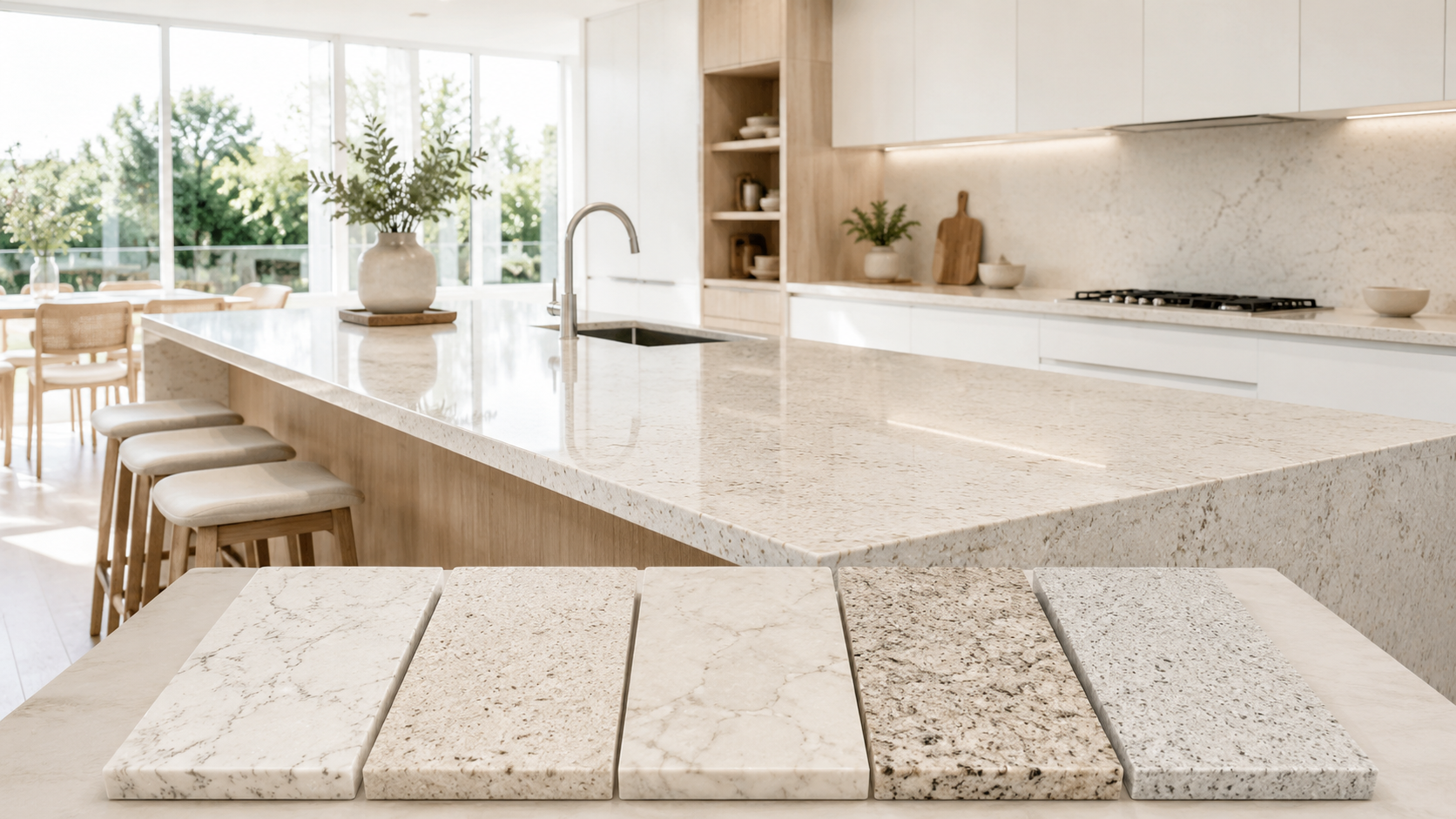
The selection of flooring material and supporting surfaces plays a significant role in creating a functional and comfortable mini library environment. One recommendation to consider is the use of granite from Meliuz, which offers a combination of high durability and timeless aesthetic value through its neutral and enduring designs and colors.
The Morocco Cream product with its bright cream color is capable of presenting a warm and calm atmosphere, while Mociare Bone from the Dynamic Ardent Series with its light neutral hue helps reflect light to create a more spacious room impression. With surface properties that assist light distribution and a neutral color palette, both products are harmonious choices for a mini library.
Creating a mini library at home requires detailed planning that considers function, comfort, and aesthetics so the space truly supports your reading activities. To give a high-quality and durable finishing touch, you can consider Meliuz granite, which presents neutral colors and timeless designs, capable of blending harmoniously with various interior concepts.
Product Popular

MATTEO GRIS